
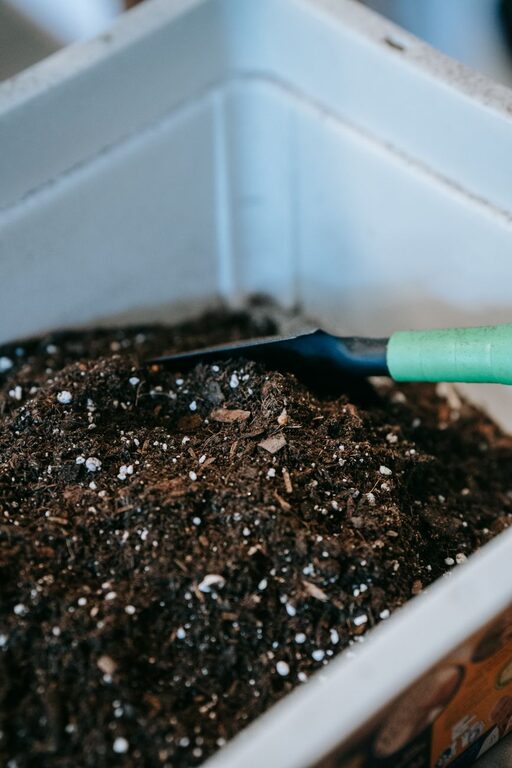
Composting is a fantastic way to turn kitchen scraps and yard waste into nutrient-rich soil for your garden. Not only does it reduce the amount of trash sent to landfills, but it also helps you grow healthier plants. If you’re new to composting, this guide will walk you through the basics and provide practical tips to get started at home.
What is Composting?
Composting is the natural process of recycling organic materials, like food scraps and leaves, into a dark, crumbly material called humus. This humus is full of essential nutrients that improve soil structure, promote plant growth, and increase moisture retention.
Why Compost at Home?
– Reduces waste: Composting keeps food scraps and yard waste out of landfills.
– Improves soil: Adds valuable nutrients and beneficial microbes to your garden soil.
– Saves money: Reduces the need to buy chemical fertilizers.
– Supports the environment: Lowers greenhouse gas emissions by diverting organic waste.
Getting Started: What You Need
Choose Your Compost Bin or Pile
You can compost in a bin, tumbler, or simply a pile in your backyard. Popular options include:
– Compost bin: A contained space that keeps things tidy and pests out.
– Compost tumbler: Easy to turn and speeds up decomposition.
– Open pile: Great for large quantities of yard waste but requires more management.
Location
Pick a spot that’s convenient to access and has good drainage. Partial sunlight helps maintain warmth without drying the pile too much.
What to Compost: The Right Ingredients
Successful composting depends on balancing two types of materials:
Browns (Carbon-rich materials)
These provide structure and help air circulate. Examples include:
– Dry leaves
– Straw or hay
– Cardboard (shredded)
– Paper (non-glossy)
– Wood chips
Greens (Nitrogen-rich materials)
These provide moisture and nutrients. Examples include:
– Fruit and vegetable scraps
– Coffee grounds and filters
– Grass clippings
– Fresh garden waste
– Tea bags (non-synthetic)
What to Avoid in Your Compost
Avoid adding:
– Meat, fish, and dairy (attract pests)
– Oils and grease
– Pet waste
– Diseased plants
– Weeds with seeds
How to Compost: Step-by-Step
Step 1: Layering
Start with a layer of browns at the bottom for drainage (3-6 inches). Then add a layer of greens (1-2 inches). Continue alternating layers until your bin or pile is full.
Step 2: Maintain Moisture
Your compost should feel like a wrung-out sponge — moist but not soggy. Add water if it’s dry, or add more browns if it’s too wet.
Step 3: Aerate Regularly
Turn or mix your compost every 1-2 weeks with a pitchfork or compost aerator. This introduces oxygen, which speeds up decomposition and prevents odors.
Step 4: Monitor Temperature
A healthy compost pile heats up as microbes break down materials. Ideal temperatures range from 110-160°F. If the pile is too cool, add more greens and turn it more often.
Composting Tips for Beginners
– Chop or shred materials: Smaller pieces break down faster.
– Balance greens and browns: A good rule of thumb is about 2-3 parts browns to 1 part greens.
– Keep a compost bin or bucket in your kitchen: Collect scraps easily, then transfer to the compost pile.
– Avoid compacting: Loosely pile materials to allow air flow.
– Use finished compost: Once dark and crumbly with an earthy smell, use it in your garden beds, pots, or lawn.
Troubleshooting Common Issues
| Problem | Cause | Solution |
|——————|—————————-|———————————|
| Smelly compost | Too wet or too many greens | Add more browns, turn pile |
| Compost not heating | Pile too small or dry | Increase size, add water & greens|
| Slow decomposition | Not enough air or moisture | Turn more often, adjust water |
| Pests attracted | Food scraps like meat | Avoid inappropriate materials |
Benefits Beyond the Garden
Composting also:
– Encourages earthworms and beneficial insects.
– Reduces your household’s carbon footprint.
– Educates family and friends about sustainability.
Final Thoughts
Starting a compost at home is easier than many think and offers lasting benefits for your garden and the planet. By following these beginner tips, you’ll be on your way to creating fertile soil from everyday waste. Just remember to be patient—composting is a natural process that takes time but pays off in healthier plants and a greener lifestyle.
Happy composting!